
Last updated October 15, 2026
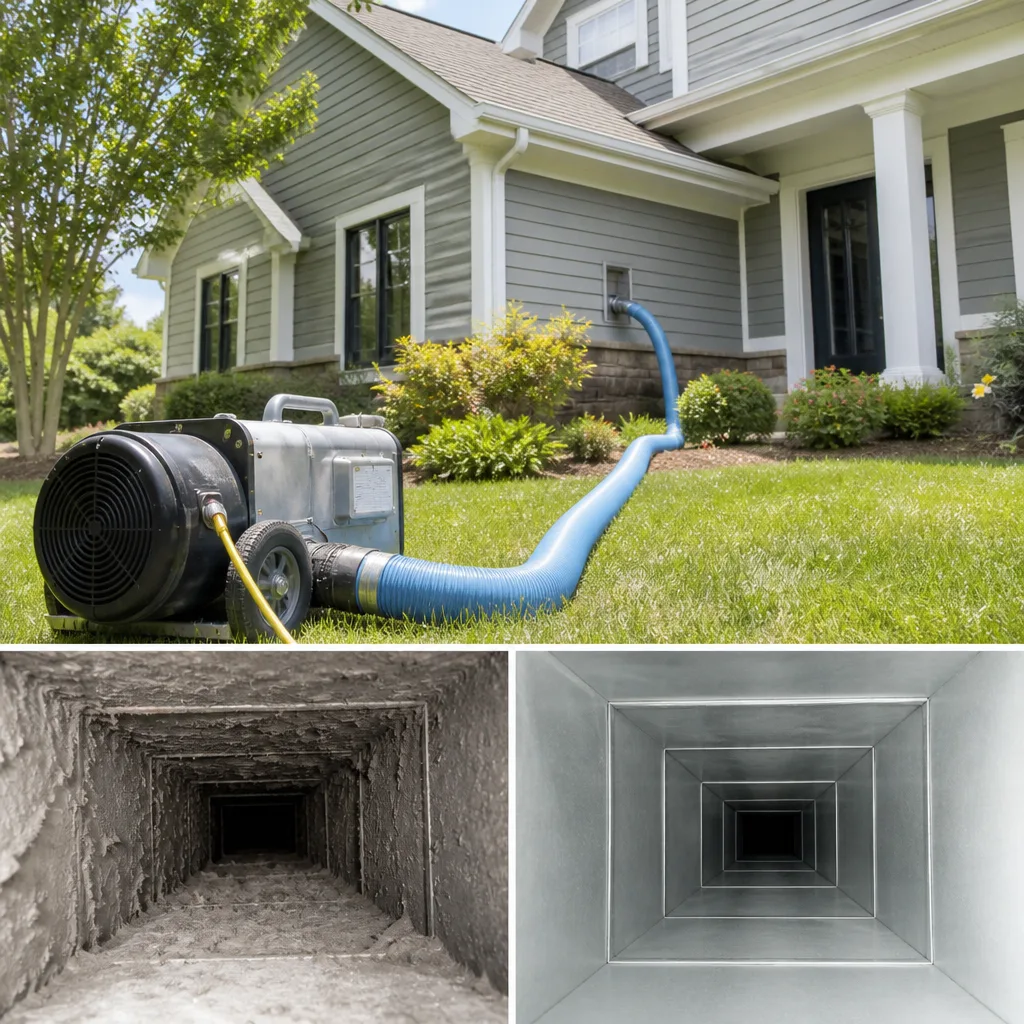 Whole-home duct cleaning
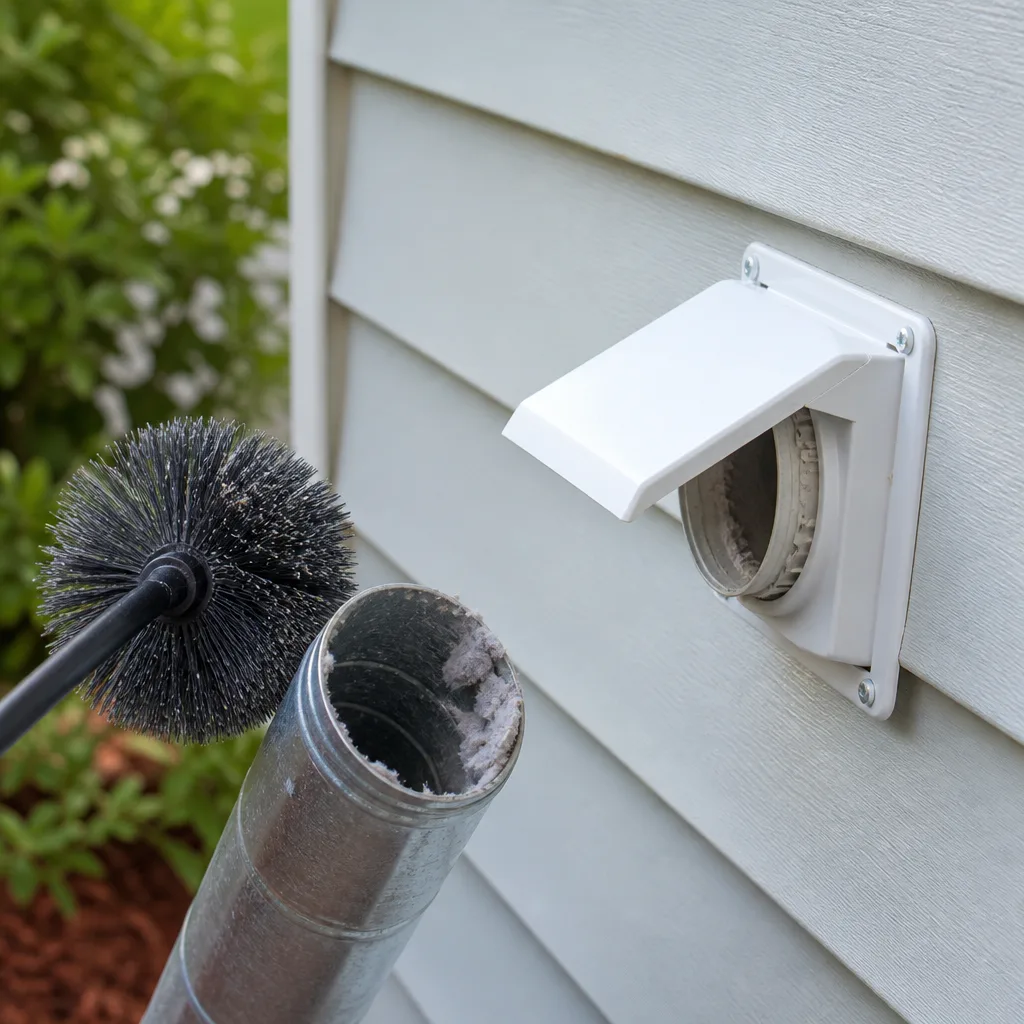 Dryer vent cleaning
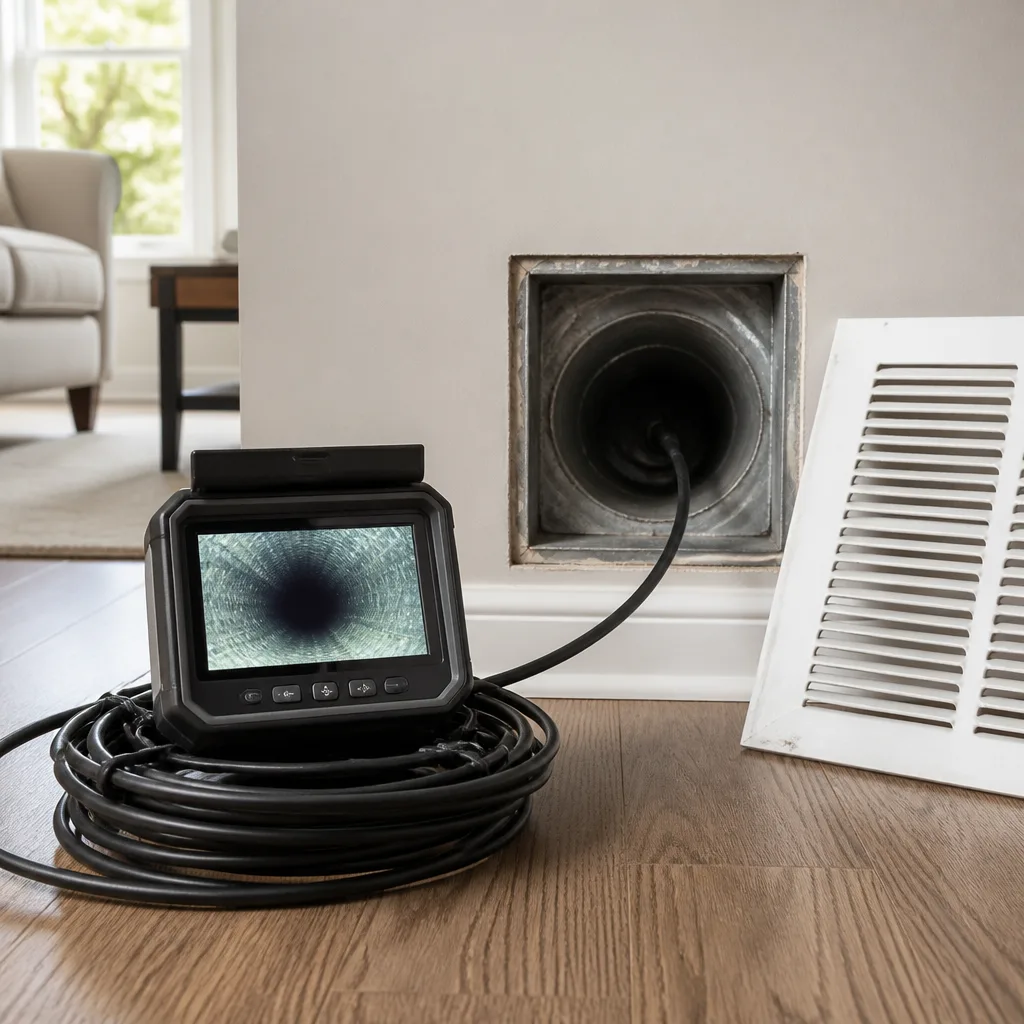 Camera inspection
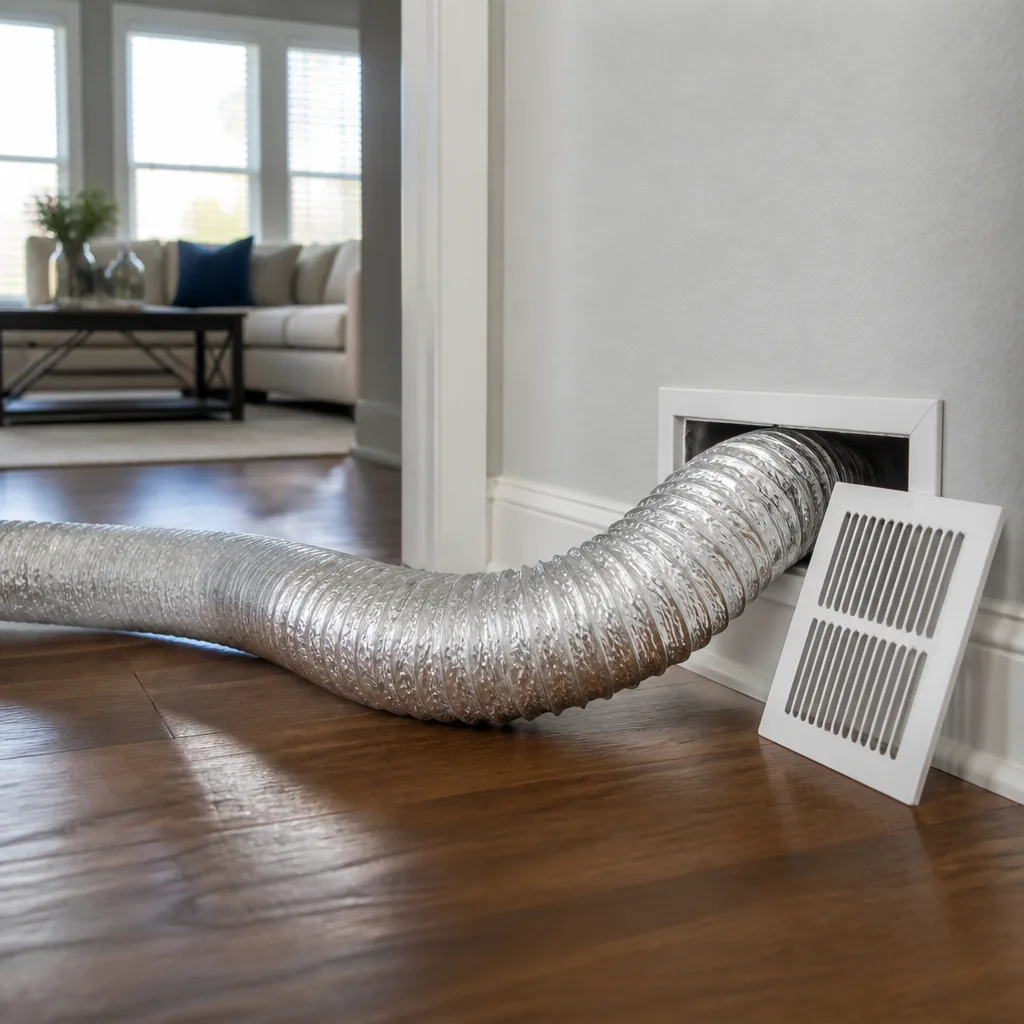 Sanitizing & deodorizing
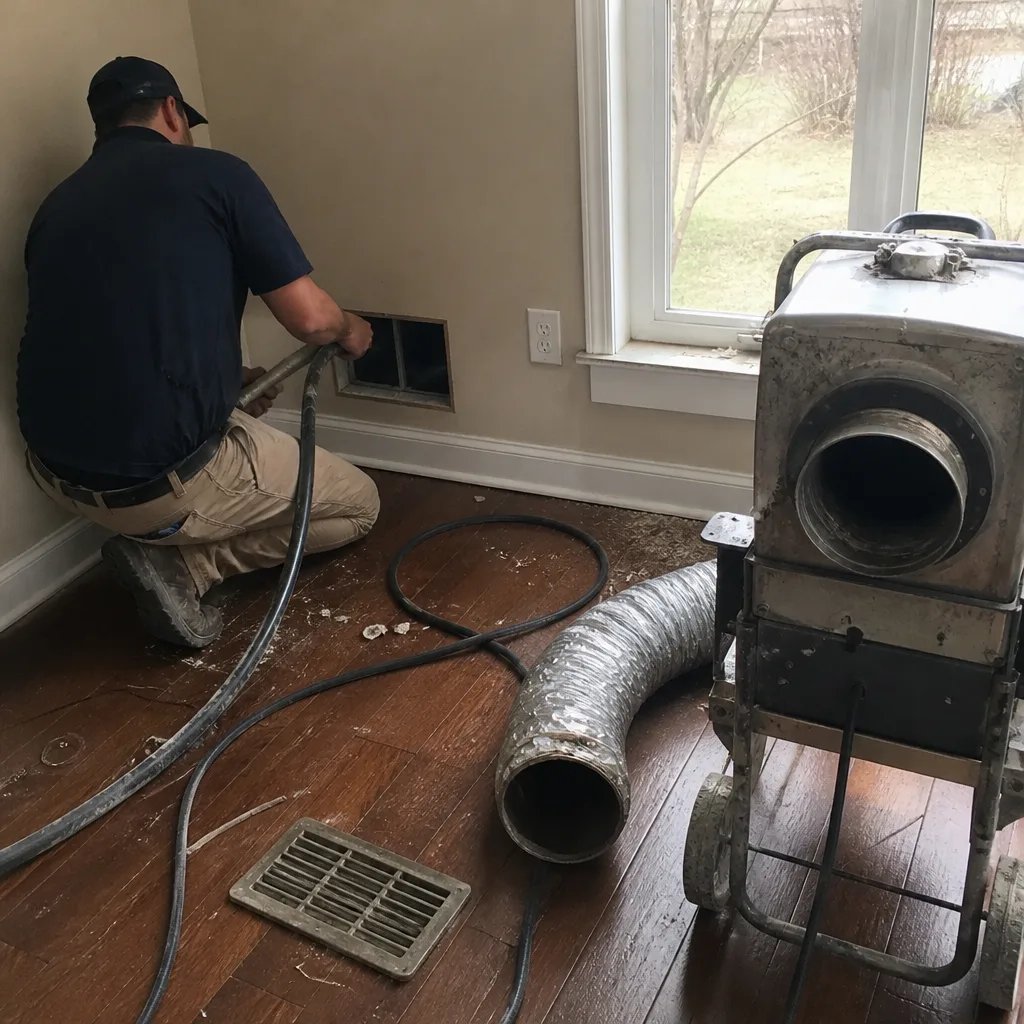
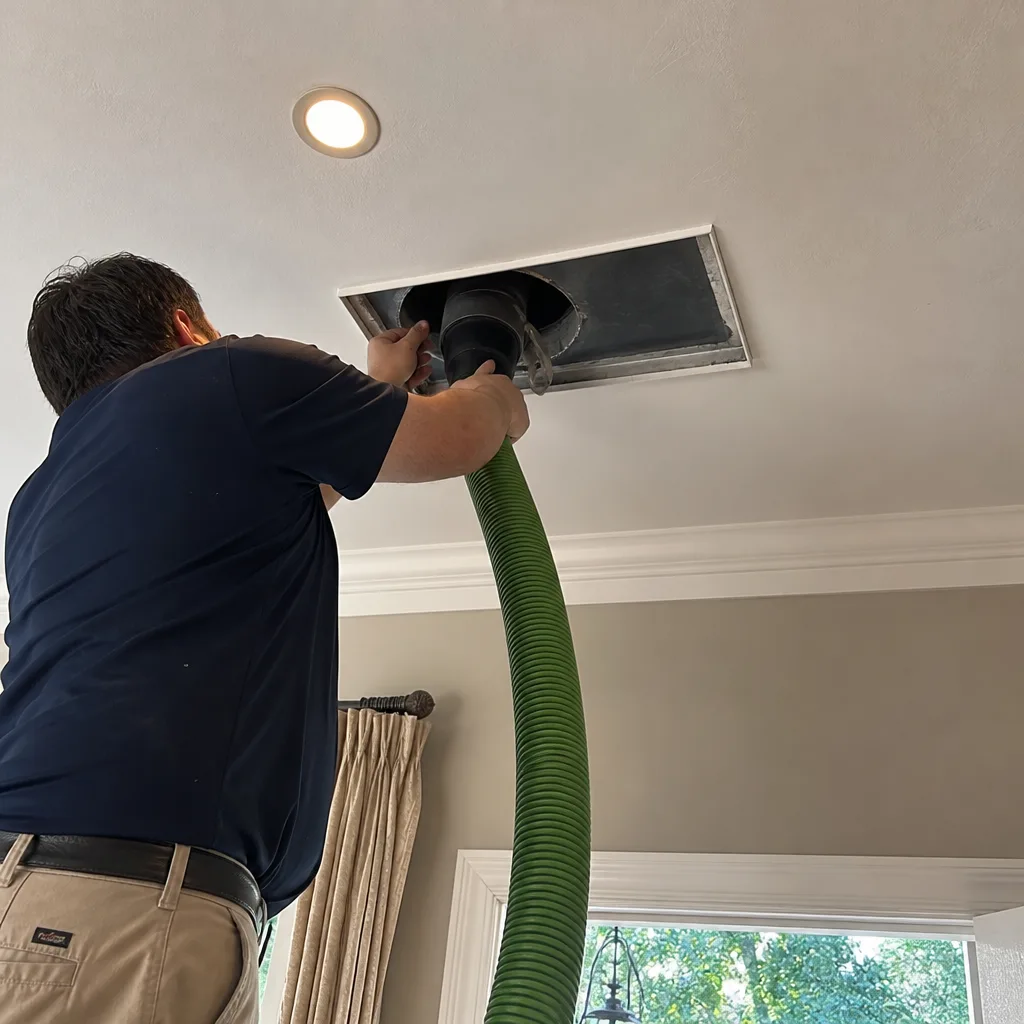
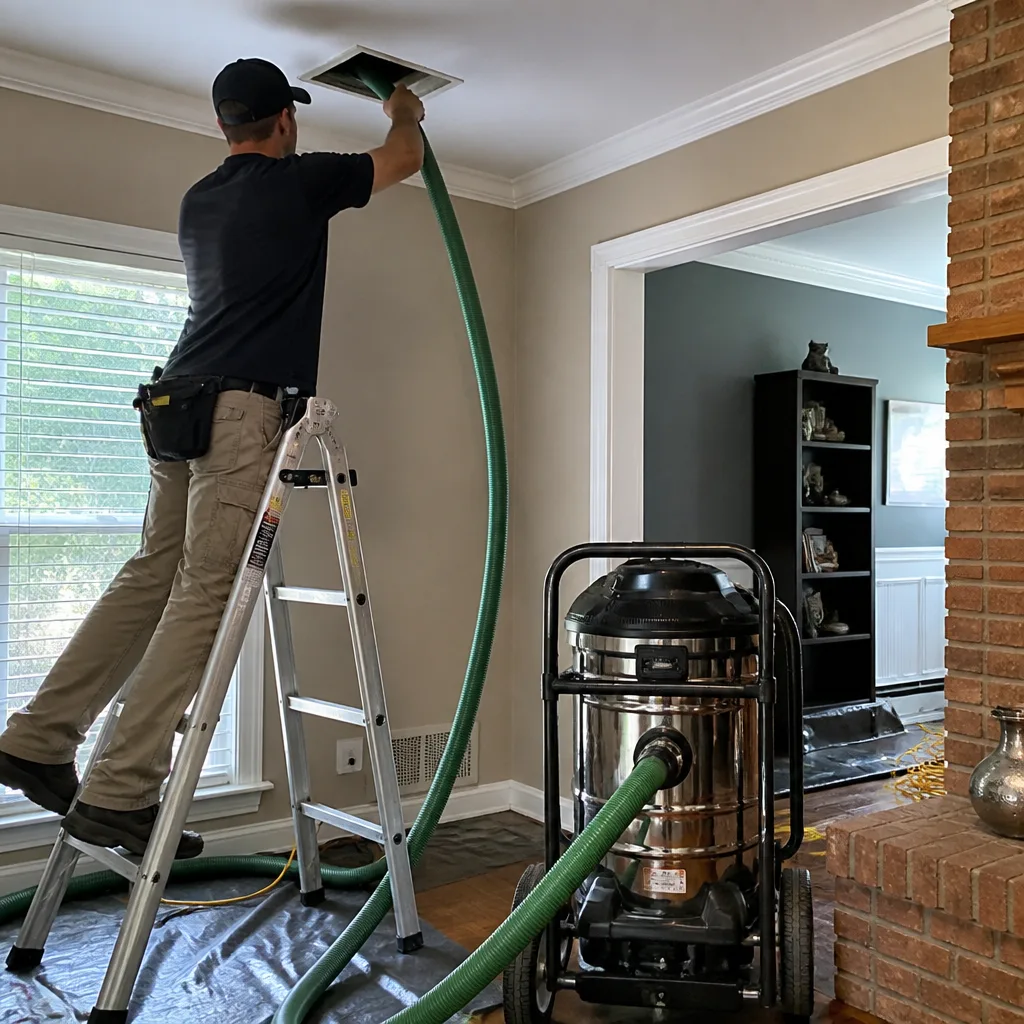
Whole-system duct and dryer vent check with before-and-after photos - you see exactly what came out of your vents
That "$99 whole-house special" is a bait ad - the real number appears once they are in your hallway, or the "clean" is a shop-vac at the register. We photograph the inside of your ducts before and after instead.
Air Duct Cleaning Warning Signs: A Marietta Homeowner’s Reference Guide
Here’s a number that surprises most Marietta homeowners: roughly seven out of ten calls we take for “dirty ducts” turn out to be something else entirely. A failing blower motor, a clogged condensate drain, a filter that hasn’t been changed since the previous administration. The ducts were never the problem. Over the past two decades in Marietta, we’ve watched thousands of dollars get spent on duct cleaning that treated the wrong cause because the warning signs were misread. This guide is built to fix that. By the time you finish reading, you’ll know which symptoms point to actual duct contamination, which ones point elsewhere, and exactly when to pick up the phone.
Styles & brands we work with
Quick Answer
The most reliable warning signs that your air ducts genuinely need cleaning are visible debris actively blowing from supply registers, a dust ring around the vent opening that reappears within days of wiping it clean, and confirmed mold growth on interior duct surfaces. Musty odors, uneven room temperatures, and higher energy bills are more often caused by evaporator coil, drain pan, blower, or filter problems than by dirty ducts. If debris is actively being pushed into your living space, that’s a duct problem. If the air just smells odd or rooms feel uneven, the ducts are usually not the culprit.
Table of Contents
- The Musty Odor Misdiagnosis: Why the Smell Usually Isn’t the Ducts
- Dusty Registers: What They Actually Tell You
- The Thirty-Second Visual Test at the Supply Register
- Uneven Room Temperatures: A Duct Problem or an HVAC Problem?
- Allergy Symptoms and Duct Cleaning: The Weakest Link
- Visible Debris and Mold: The Two Signs That Matter Most
- Signs Your Previous Duct Cleaning Was Done Poorly
- The Two Warning Signs That Mean Stop Using the System Today
- Common Mistakes to Avoid
- When to Call a Professional
- Frequently Asked Questions
- The Bottom Line
The Musty Odor Misdiagnosis: Why the Smell Usually Isn’t the Ducts
A musty smell when the AC kicks on is the number-one reason Marietta homeowners call us for duct cleaning. And in most cases, the odor is coming from the evaporator coil drain pan, not the ducts. So cleaning the ducts doesn’t fix it. Here’s what’s happening. Your AC’s evaporator coil sits above a shallow pan designed to catch condensation. In Marietta’s humidity, that pan stays wet for months at a time. Algae, bacteria, and mold grow in that standing water. When the blower pushes air across that mess, the smell rides along with it. The ducts are innocent bystanders. The fix is cleaning the coil and pan, clearing the drain line, and sometimes treating the pan with an antimicrobial product. Duct cleaning won’t touch the pan at all. We’ve walked into homes in East Cobb and Powder Springs where the homeowner had paid for duct cleaning twice in three years, and the smell came right back both times. The real problem was a drain pan that had never been properly serviced. Before you spend a dollar on duct cleaning, have a technician check the coil and drain pan. If the pan is the source, that’s the job to schedule.
There is one scenario where a musty smell does point to the ducts: when the odor persists even with the system off. If you smell it when the blower isn’t running, or the smell gets stronger near specific registers, that changes the picture. Ducts in a Marietta crawl space or attic can absorb moisture from high humidity, especially in August when outdoor dew points sit in the mid-70s. Moisture plus dust means microbial growth on the duct interior. That’s a condition where duct cleaning, paired with sealing the ductwork, is the correct response. The distinction matters because one problem costs a few hundred dollars to fix and the other can run into the thousands if the coil replacement becomes necessary. A good technician checks the pan first, the ducts second. If the company you call goes straight to a duct cleaning quote without asking about the drain pan, you’ve learned something about how they diagnose.
Dusty Registers: What They Actually Tell You
Every supply register in a Marietta home will collect dust. That’s physics. Air moving through a metal grille creates turbulence, and particles drop out of the airstream right at the grille face. A dusty register by itself tells you almost nothing about the condition of your ductwork. What matters is whether that dust is coming from inside the ducts or from the room itself. Most register dust is room dust: skin cells, pet dander, textile fibers, and the fine red Georgia clay dust that finds its way into every home in Cobb County. The register acts like a filter, catching that room dust on its way past. The dust you see on the outside of the grille hasn’t necessarily traveled through the ducts at all.
So how do you tell the difference? Look at where the dust sits. If the dust is on the outside face of the grille and the wall or ceiling around it, that’s room dust being drawn toward the register when the system runs. It’s normal, and no amount of duct cleaning will stop it because the source is the room, not the ducts. If the dust is inside the register boot, visible when you remove the grille, or if you see dust actively blowing out of the register when the system starts, that’s a different story. That dust is coming from the duct interior or from a return-air pathway that’s pulling in attic or crawlspace air. We’ve seen homes in Kennesaw where the return duct had separated at a joint, and the system was pulling insulation particles straight into the living space. Register dust was the first visible clue, but the actual problem was a disconnected return. This is why we tell Marietta homeowners to wipe a register clean, leave the system off for an hour, and then check again. If new dust appears inside the boot with the system off, it’s not being transported by airflow. The ducts may still need cleaning, but the dust on the grille face was never the evidence.
The Thirty-Second Visual Test at the Supply Register
There’s a simple way to tell whether debris is actively being transported through your ducts or just sitting at the grille. It takes thirty seconds and a white paper towel. Remove the supply register from the wall or ceiling. Take a clean white paper towel and wipe the inside surface of the register boot, the metal collar that connects the duct to the grille. Now look at the towel. If it comes back with a fine gray coating, that’s settled dust. It’s been sitting there, static, and it’s normal for any home in Marietta, especially older homes with original ductwork. If the towel comes back with chunky debris, insulation particles, or a thick dark smear that feels oily, that’s active contamination. Something is moving through those ducts and depositing material at the register opening.
Here’s how to interpret what you find:
- Fine gray powder: Normal settled dust. Not a warning sign by itself. Check the filter and move on.
- Insulation flecks (pink, yellow, or white fibers): A return duct has likely separated or was never sealed properly, pulling attic insulation into the system. This is a duct integrity problem and needs repair, not just cleaning.
- Dark oily residue: This often means cooking grease or candle soot has been drawn into the return side and is coating the ducts. Cleaning helps, but only if the source is addressed.
- Chunky debris or pet hair clumps: The system has been running without adequate filtration. The ducts are actively carrying this material. This is a legitimate duct cleaning indicator.
- Visible mold on the boot interior: Stop reading and schedule an inspection. Mold inside the ductwork is a health issue, not an aesthetic one.
We’ve taught this test to enough Marietta homeowners to know it changes the conversation. When you can tell the difference between settled dust and transported debris, you can’t be sold a duct cleaning you don’t need. And when you do need one, you know it because you’ve seen the evidence with your own eyes.
Uneven Room Temperatures: A Duct Problem or an HVAC Problem?
Uneven room temperatures are one of the most common complaints in two-story Marietta homes, and they’re also one of the worst reasons to schedule duct cleaning. Hot upstairs rooms, cold bedrooms, a bonus room over the garage that never gets comfortable. These are real problems, but they usually trace back to airflow design, damper position, or equipment sizing, not dirty ducts. Ducts don’t get so clogged that they stop delivering air to one room while still serving the rest of the house. If the airflow to a specific room is weak, the cause is almost always a damper that’s closed or partially closed, a crushed or disconnected flex duct, or a system that was undersized from the day it was installed. None of those are fixed by cleaning.
The diagnostic chain matters here. First, check the obvious: is the damper at the supply boot open? In most Marietta homes, each supply branch has a small metal lever on the duct near the trunk line. A previous owner or technician may have adjusted it and never put it back. Second, check the filter. A clogged filter reduces airflow to the furthest rooms first, which is why the master bedroom at the end of the run feels stuffy while the living room near the air handler feels fine. Third, check for a disconnected duct. We’ve found flex ducts in attics that have pulled away from the boot entirely, pumping conditioned air into the attic for months. The fix is reattaching and sealing the duct, a repair job, not a cleaning job. In our experience across Marietta’s housing stock, which ranges from 1970s ranches in East Marietta to newer construction in West Cobb, about one in ten uneven-temperature calls ends with a genuinely dirty duct system as the root cause. The other nine are dampers, disconnects, or equipment issues. If a company hears “uneven temperatures” and immediately quotes duct cleaning, they’re skipping the diagnostic step. That should tell you everything.
Allergy Symptoms and Duct Cleaning: The Weakest Link
One question we hear constantly from Marietta homeowners: “My allergies have gotten worse since we moved in. Should I get the ducts cleaned?” The honest answer is that increased allergy symptoms alone are a weak indicator for duct cleaning. Here’s why. Allergy symptoms are already elevated across metro Atlanta in spring and fall, when tree pollen in March and ragweed in September hit levels that would make anyone’s sinuses react, clean ducts or not. Outdoor allergens come into the home on shoes, clothing, and open windows. Indoor allergens like dust mites live in carpet, upholstery, and bedding, not in sheet metal ducts. Cleaning the ducts won’t remove the dust mites in your pillow. What moves through ducts is mostly inert dust, not the living allergens that trigger most respiratory reactions.
A stronger diagnostic chain looks like this. First, replace your HVAC filter with a quality media filter, something in the MERV 8 to MERV 13 range. Run the system for two weeks. If symptoms improve, the problem was filtration, not ducts. Second, check whether symptoms are worse in specific rooms or only when the system runs. If you feel fine all day but start sneezing within an hour of the AC cycling on, and this happens consistently, that’s a pattern worth investigating. Third, have someone inspect the interior of the ducts with a camera. If the inspection shows heavy dust loading, debris, or mold, then allergy symptoms plus visual confirmation add up to a case for cleaning. If the inspection shows clean ducts, allergies are coming from somewhere else, and cleaning would be money spent on the wrong problem. For homeowners who want to maintain cleaner air between service visits, our Air Duct Cleaning services and related products like Aprilaire filtration systems and Guardsman IAQ accessories are available. But the diagnostic order matters: filter first, inspection second, cleaning only when the evidence supports it.
Visible Debris and Mold: The Two Signs That Matter Most
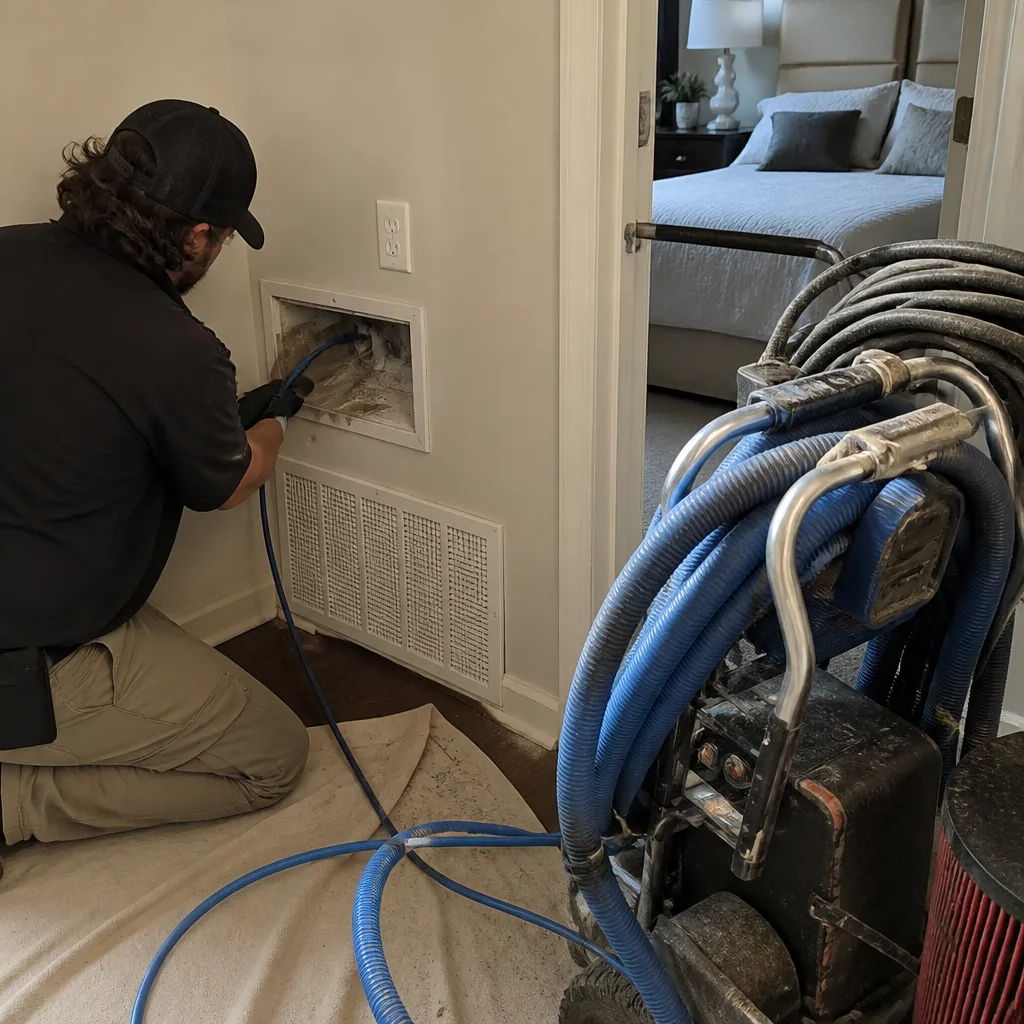
Out of every warning sign in this guide, two genuinely demand action: visible debris actively blowing from supply registers and confirmed mold growth inside the ductwork. Everything else is conditional. These two are not. If you hold a tissue up to a supply register while the system runs and the tissue moves because visible particles are hitting it, you have actively transported debris. That means dust, insulation, or construction debris is moving through the duct interior. This is not a filter problem and not a drain pan problem. The ducts themselves are shedding material into your living space. In Marietta, we see this most often in homes that have had recent renovations, since drywall dust and debris get pulled into the return side during construction and then recirculated for months. We also see it in older homes where the interior duct liner has begun to deteriorate. Either way, the fix is a thorough cleaning using negative-air extraction, which pulls loosened contaminant material out of the ducts rather than blowing it into the rooms, followed by sealing any return-side gaps.
Mold inside ducts is the other definitive sign. This one requires careful confirmation. Mold on the outside of a register is common and usually surface growth from condensation, especially on ceiling registers in Marietta bathrooms and laundry rooms. That’s a humidity issue you can clean with a household product. Mold inside the duct, visible on the metal or flex duct interior, is a different matter. If a camera inspection shows microbial growth on duct surfaces, you should stop using the system until it’s addressed. Mold spores that are actively growing on duct surfaces will be distributed through the home every time the blower runs. The cleaning process for mold-contaminated ducts should always include HEPA filtration, something our Abatement Technologies HEPA units provide, to keep spores from being released into the living space during remediation. We never recommend the DIY approach for mold-contaminated ducts. You can’t reach more than a few feet into the ductwork from a register opening, and household chemicals are not appropriate for interior duct surfaces. Get a camera inspection first, confirm the growth is real, and then make a plan.
Signs Your Previous Duct Cleaning Was Done Poorly
If you’ve already had your air ducts cleaned and you’re wondering whether the job actually worked, there are specific signs to look for. The first is a dust ring that reappears at the registers within days or weeks of service. A proper cleaning should leave the duct interior clean enough that you see a meaningful reduction in register dust for months, not days. If the dust returns almost immediately, the cleaning likely didn’t reach the full duct length. Cheap cleanings often only address the first few feet of branch ducts, which is like vacuuming only the edge of a rug and calling the room clean. The second sign is debris at the registers immediately after service. If you find dust bunnies or debris sitting at the register face within a week of the cleaning, the technician either didn’t extract the loosened debris or didn’t clean the register boots at all.
The third sign is the absence of before-and-after documentation. A professional duct cleaning job should include before-and-after photos or video from inside the ducts. If the company can’t show you what the ducts looked like before, you have no way to verify what was actually removed. We photograph every major trunk line and representative branch before and after every job we do in Marietta. It takes an extra ten minutes and it changes the entire accountability equation. The fourth sign is blower dust rings. If the blower motor housing or the return plenum still shows heavy dust accumulation after a cleaning, the technician skipped the return side or the blower cabinet. A thorough cleaning addresses the full system: supply side, return side, blower cabinet, and register boots. Using professional-grade equipment like the Rotobrush rotary brush system, which dislodges debris at the duct wall through mechanical agitation, makes a measurable difference in how much material gets removed compared to a vacuum-only approach. If your last cleaning couldn’t show you what was done, treat it as a lesson learned for the next one.
The Two Warning Signs That Mean Stop Using the System Today
Two conditions warrant shutting the system off and making a phone call before you run it again. The first is confirmed or strongly suspected mold growth inside the ducts. If you’ve seen visible mold on interior duct surfaces during an inspection, or if you’re getting a strong musty or earthy smell from the registers that doesn’t resolve when the filter is changed and the drain pan is cleaned, stop running the blower. Every minute the system runs, it’s pulling air across that growth and distributing spores through the house. Turn the system off, open windows if the weather allows, and schedule an inspection. The second stop-now condition is a burning smell from the vents. That’s not a duct cleaning indicator at all. It points to a blower motor overheating, a failing capacitor, or an electrical issue at the air handler or furnace. Running the system with a burning smell is a fire hazard. Shut it off at the thermostat and the breaker, and call an HVAC technician, not a duct cleaner. Both of these are scenarios where the right move is to stop, assess, and get a trained professional into the house.
For everything else in this guide, the urgency is lower. You have time to diagnose, to check the filter, to run the thirty-second register test, to get a camera inspection. But mold and burning are different. They’re the two times we tell Marietta homeowners to stop using the system and call someone today, not next week. If you’re ever unsure which bucket your symptom falls into, our team at Kestrel Air Duct Marietta home is a phone call away. We’d rather spend ten minutes on the phone helping you figure out whether you need us or an HVAC tech than have you run the system into a bigger problem.
Common Mistakes to Avoid
- Cleaning the ducts to fix a drain pan smell. If the musty odor comes from the evaporator coil pan, duct cleaning won’t touch it. Get the coil and pan cleaned first, then reassess.
- Assuming a dusty register means dirty ducts. Most register dust comes from the room, not the ductwork. Use the thirty-second test before you draw conclusions.
- Treating allergy symptoms as proof of dirty ducts. Marietta’s pollen seasons will trigger allergies regardless of duct condition. Check filtration first, get an inspection second.
- Paying for duct cleaning without before-and-after documentation. If the company can’t show you interior duct photos, you can’t verify the work. Demand documentation.
- Ignoring a disconnected return duct. A separated return joint pulls attic air, insulation, and dust into the system. Cleaning won’t fix a disconnection. The joint needs to be sealed.
- Running the system with a burning smell to “see if it clears up.” Burning smells don’t clear up. They get worse. Shut it off and call an HVAC technician.
- Choosing the cheapest duct cleaning quote in Marietta without checking the scope. A $99 whole-house special usually means the technician spends twenty minutes on the job and only addresses the first few feet of each branch. You get what the scope allows, not what the brochure promises.
When to Call a Professional
Call a duct cleaning professional when you see actively transported debris at the supply registers, when a camera inspection confirms heavy dust loading or mold inside the ducts, or when you’ve had a recent renovation that pulled drywall dust and construction debris into the system. Call when a previous cleaning clearly didn’t hold up, indicated by dust rings returning within days or debris appearing at the registers within a week. Call when the return side shows signs of pulling attic or crawlspace air into the home. In all of these cases, the evidence points to the ducts. For every other symptom in this guide, call an HVAC technician first. Air Duct Cleaning in Marietta is what we do every day, and we’re happy to help you figure out whether the ducts are actually the problem. Kestrel Air Duct Marietta offers free estimates in Marietta. Call (762) 533-6494 and we’ll walk through what you’re seeing before we ever schedule a visit.
Frequently Asked Questions
Most whole-house air duct cleaning jobs in Marietta run between $450 and $900, depending on the size of the home, the number of systems, and how heavily contaminated the ductwork is. A single-system ranch home with moderate dust loading will land on the lower end. A two-story home with two systems, or ducts that haven’t been cleaned in fifteen years, will land on the higher end. We give a written price before any work begins, so the number in your hands is the number on the invoice. Call (762) 533-6494 for an exact quote. Estimates are free.
Cheap quotes usually mean a shorter scope. A $99 whole-house offer typically covers a quick vacuum pass at the registers, not full negative-air extraction to the trunk line. The technician may spend twenty minutes on the job and only address the first few feet of each branch. The ducts look cleaner at the opening and nothing else changes. A thorough cleaning with rotary brush agitation and negative-air extraction takes two to four hours and costs more because it actually removes the material from the full duct length. If the price seems too good, ask what the scope covers: how many feet of branch duct, whether the return side is included, and whether you’ll get before-and-after photos.
Ask for before-and-after camera documentation of the duct interior. A professional cleaning should include photos or video from inside the main trunk line and representative branches, taken before the work starts and after the extraction is complete. You should see a visible difference in the duct surfaces. The company should also be able to tell you what was removed: how much debris, what kind, and from where. If the company can’t provide documentation and can’t describe what came out of your ducts in specific terms, assume the work didn’t happen as described.
Most Marietta homes benefit from air duct cleaning every three to five years, but it depends on the house. Homes with pets, recent renovations, or smokers in the household may need it more frequently. Homes with good filtration and tight ductwork may go seven years or more between cleanings. There is no universal schedule, and any company that tells you ducts need cleaning every year as a rule is selling a subscription, not a service. The trigger should be visual evidence: active debris at registers, heavy dust loading on inspection, or documented mold. If none of those are present, the ducts likely don’t need cleaning yet.
The 365-Day Done Right Promise covers the work we performed. If it’s not done right, we make it right. If the ducts show signs that the cleaning didn’t hold, like debris returning at the registers within the guarantee period, we come back and re-clean at no charge. If a component related to the service fails within the year, we return and make the repair. The promise is documented in writing on every single job, because a guarantee you can’t point to isn’t a guarantee. It’s also built into Dryer Vent Cleaning in Marietta the same way. No fine print, no pro-rated coverage, no arguing about what the warranty means.
You can clean the register grilles and the first inch or two of the boot with a household vacuum, but that’s where DIY reaches its limit. The ductwork in a Marietta home runs through attics, crawl spaces, and walls. You can’t access more than a fraction of that length from a register opening. A proper cleaning requires professional equipment that can agitate debris at the duct wall and extract it under negative pressure. Without that equipment, you’re mostly pushing dust around and calling it done. For the duct interior, hire a trained professional with the right tools and the documentation to prove the work. See our DIY vs Professional Air Duct Cleaning guide for help deciding.
The Bottom Line
Most warning signs that homeowners attribute to dirty ducts are actually symptoms of other HVAC problems. Musty odors usually come from the drain pan. Uneven temperatures usually come from dampers, disconnects, or undersized equipment. Allergy symptoms alone don’t prove anything about duct condition. The signs that genuinely point to duct contamination are visible debris actively blowing from supply registers, heavy dust loading confirmed by camera inspection, and documented mold growth on interior duct surfaces. If you see those signs, act. If you’re seeing something else, diagnose before you spend. We’ve been serving Marietta since 2004, and we’d rather help you get the right answer than sell you the wrong service. Call (762) 533-6494 with your questions. A real person answers.
Written by Dale Whitmore, Owner at Kestrel Air Duct Marietta, serving Marietta since 2004. For more guides & resources, visit our blog.
See the difference
 Before
 After
After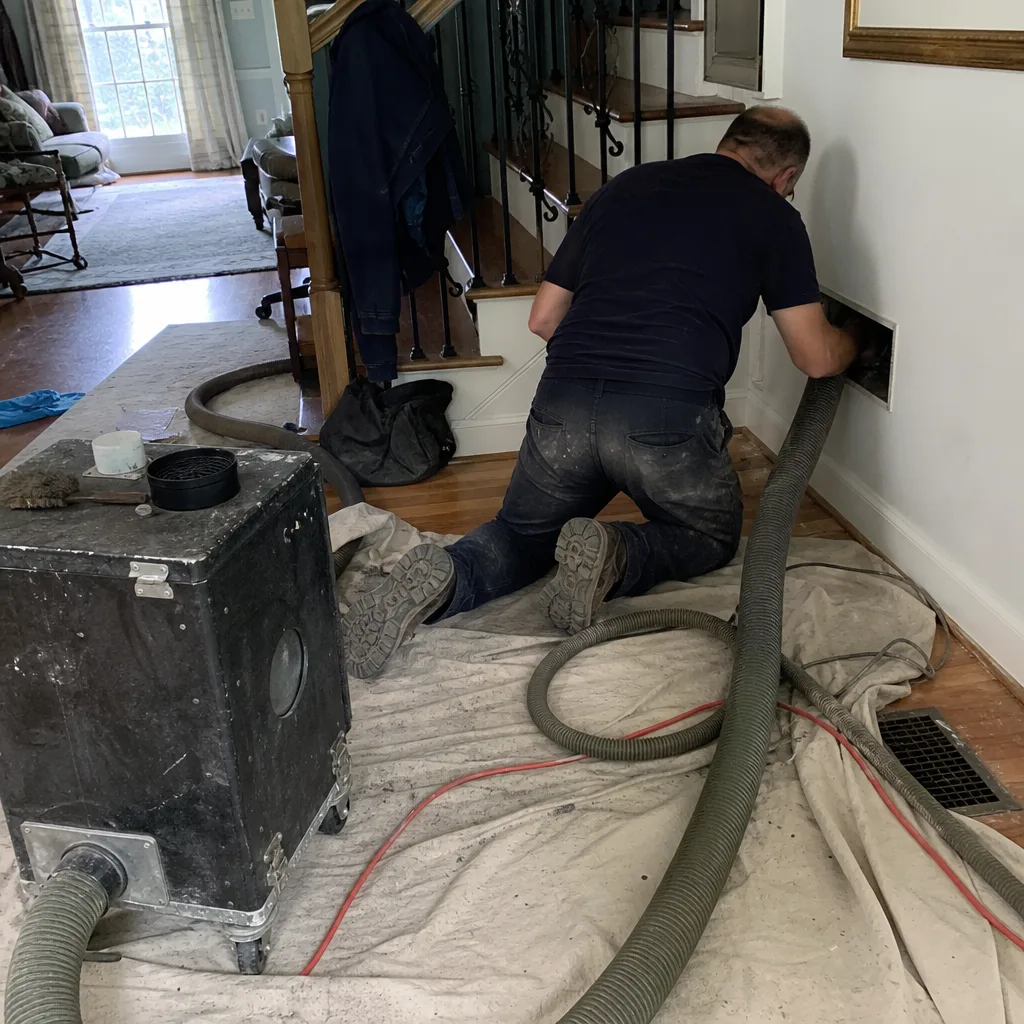 Before
 After
After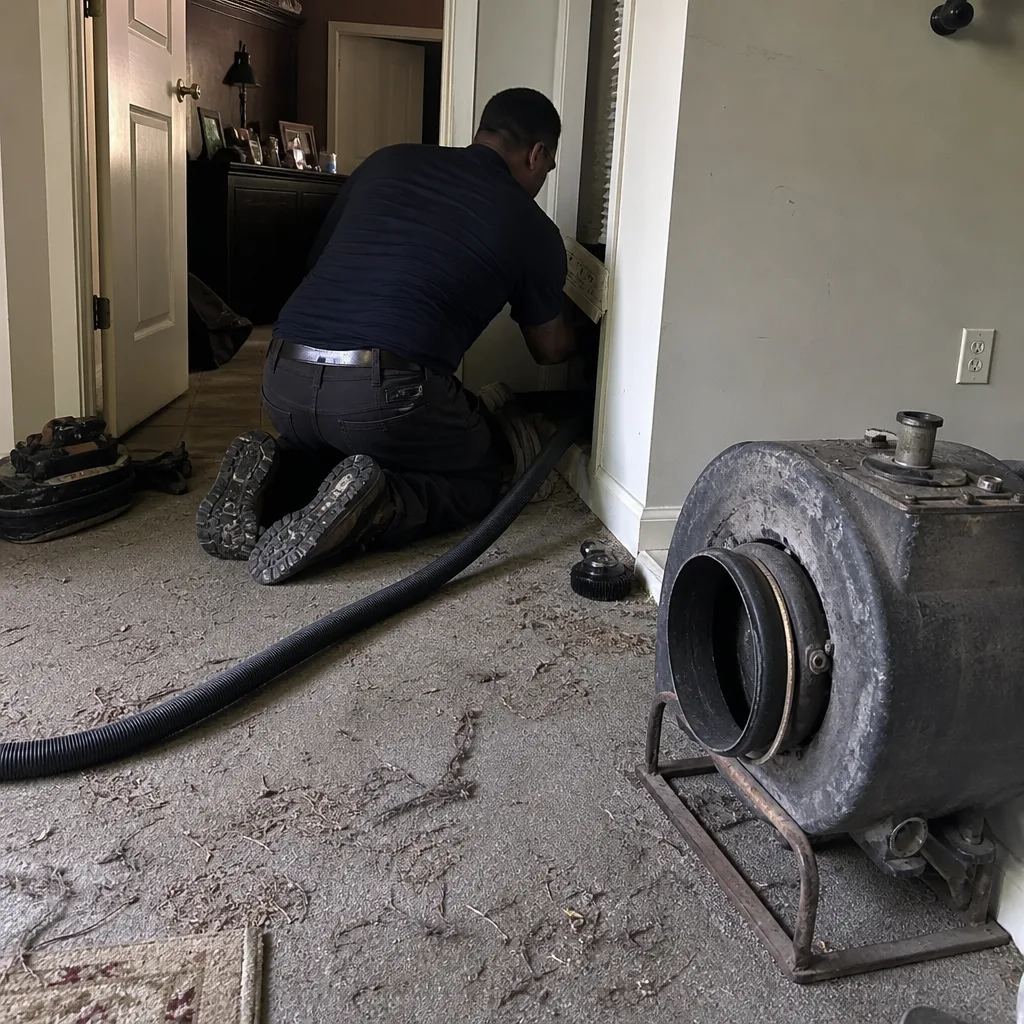 Before
 After
After