
Last updated October 15, 2026
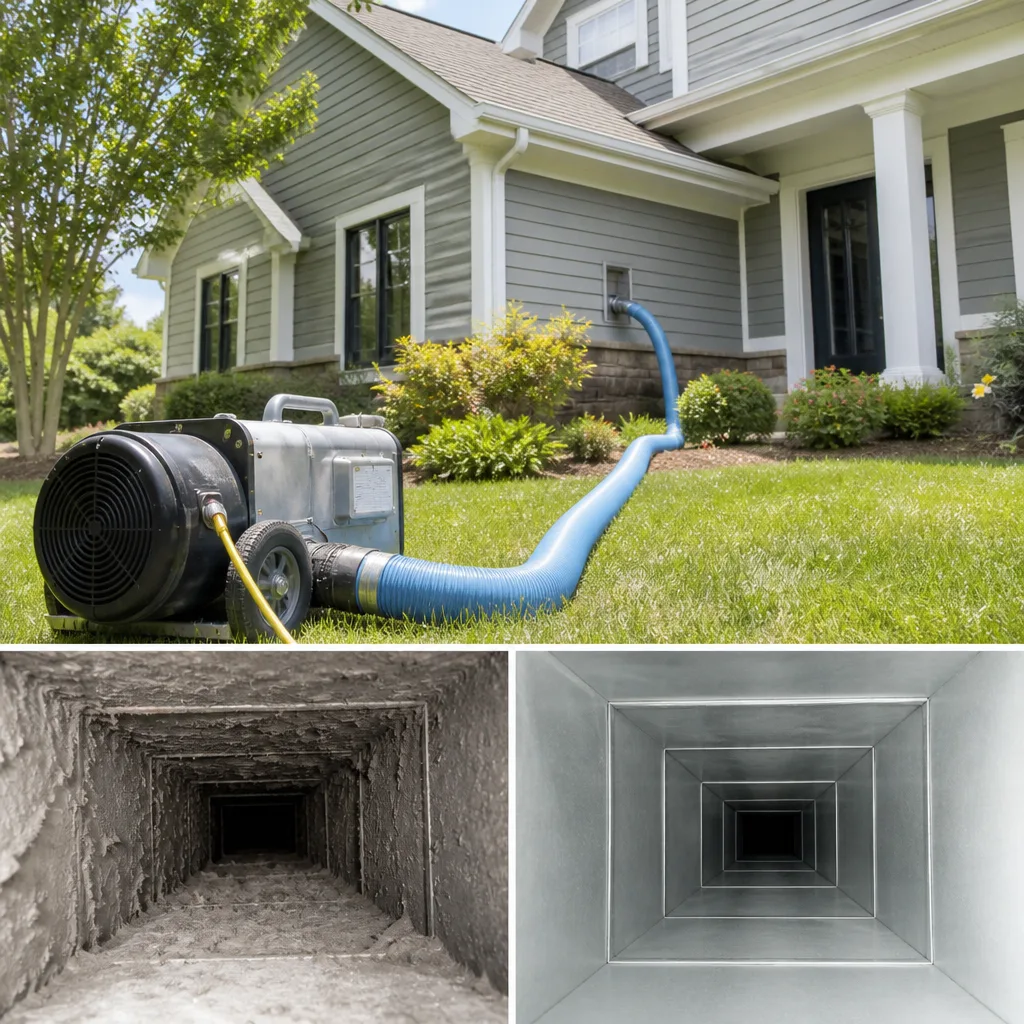 Whole-home duct cleaning
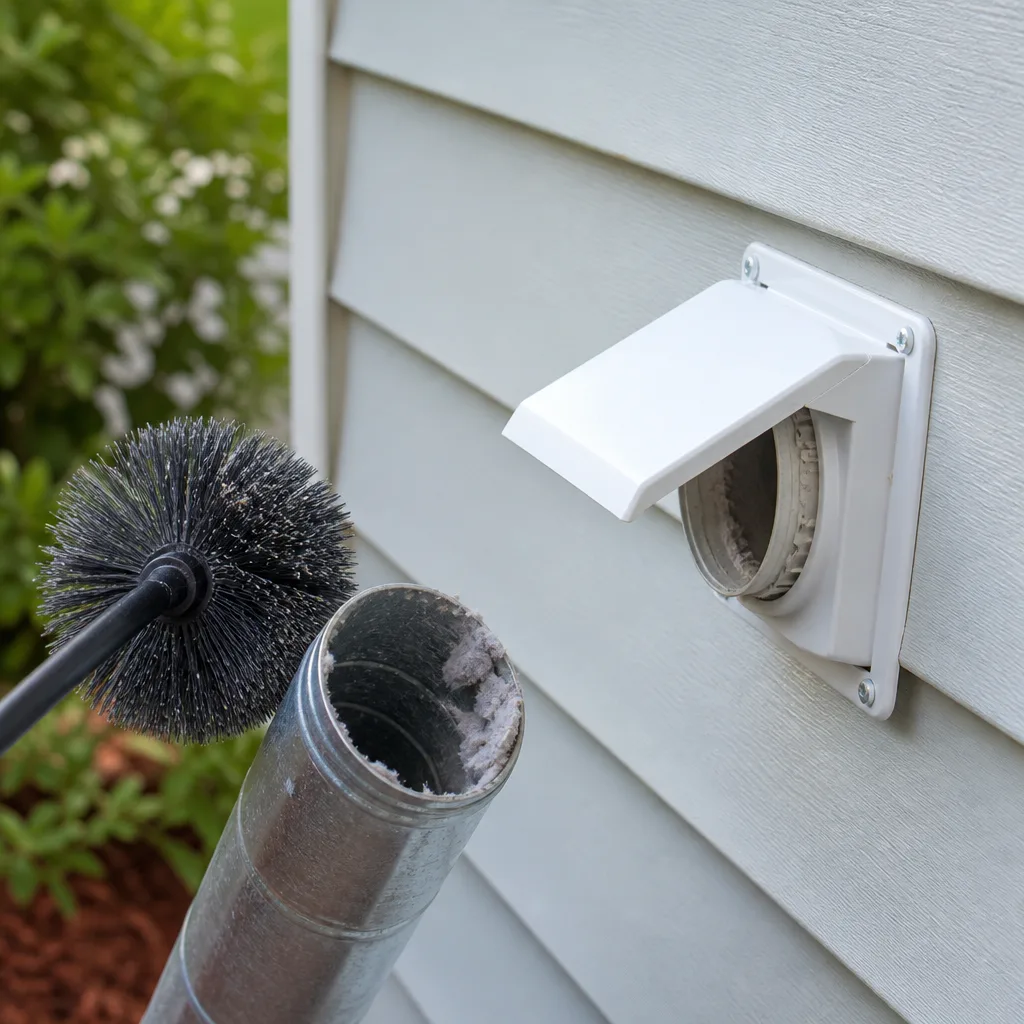 Dryer vent cleaning
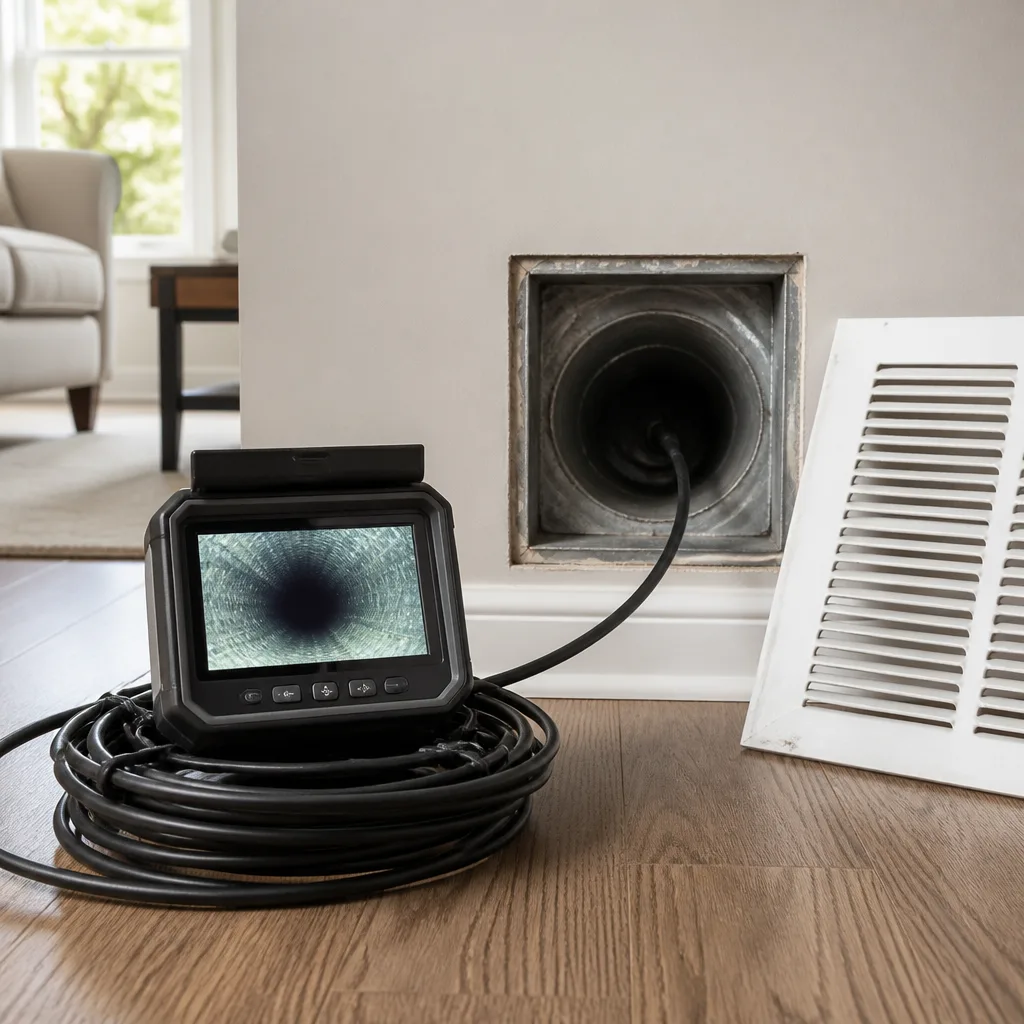 Camera inspection
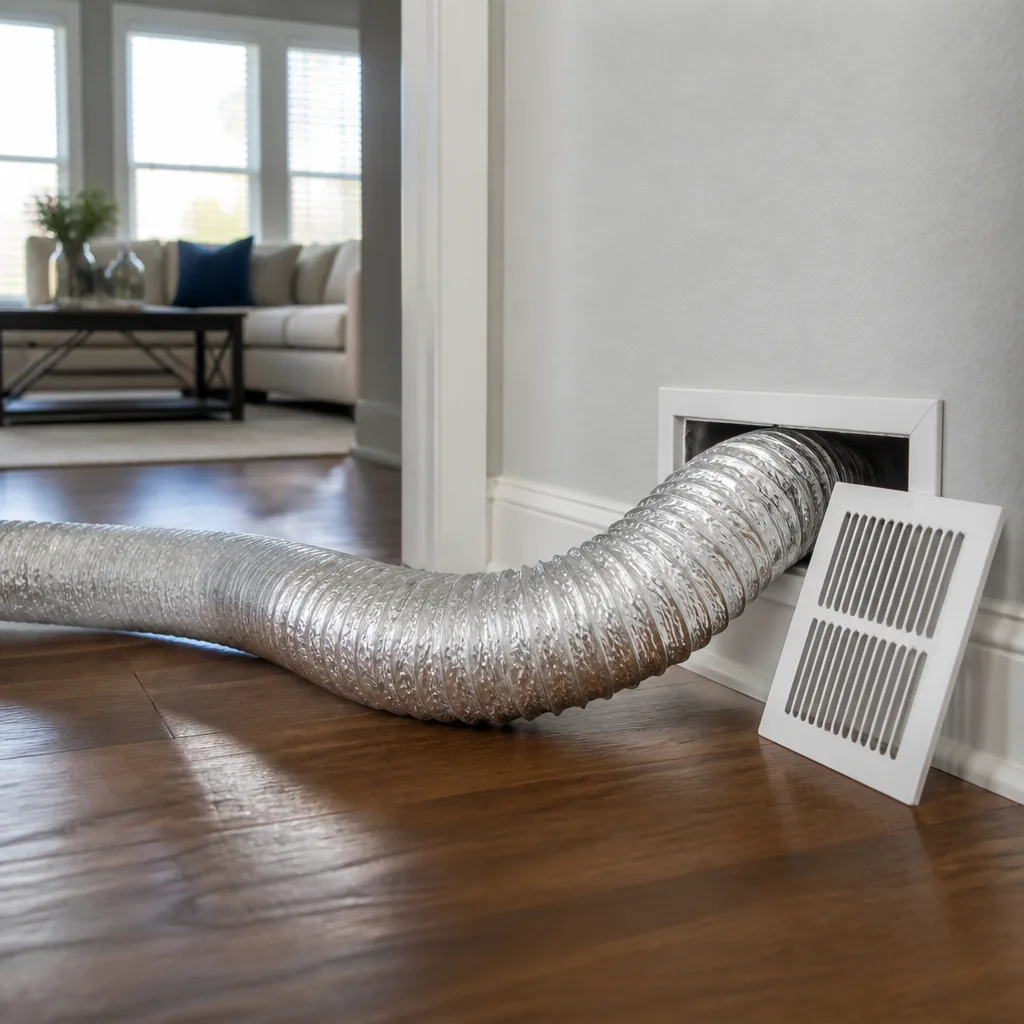 Sanitizing & deodorizing
Whole-system duct and dryer vent check with before-and-after photos - you see exactly what came out of your vents
That "$99 whole-house special" is a bait ad - the real number appears once they are in your hallway, or the "clean" is a shop-vac at the register. We photograph the inside of your ducts before and after instead.
Seasonal Air Duct Cleaning Care for Marietta: Year-Round Homeowner’s Guide
Most seasonal duct care articles recommend cleaning twice a year. That frequency benefits contractors more than ducts, since a well-sealed system in good repair rarely needs cleaning more than once every three to five years. What actually matters in Marietta is knowing which seasons put real strain on your ductwork, what to check in between, and when Air Duct Cleaning is genuinely worth the money. This guide walks through all four seasons, what to do, and what to skip.
Quick Answer
Marietta homeowners should focus duct care on the two shoulder seasons: spring (pollen load on the return side) and fall (the best window to schedule a cleaning if the system needs one). A well-sealed system typically needs professional cleaning every three to five years, not twice annually. Between cleanings, monthly filter checks during peak pollen and humidity months do most of the heavy lifting.
Styles & brands we work with
Table of Contents
- Spring (March – May): The Pollen Problem
- Summer (June – August): Humidity and Microbial Growth
- Fall (September – November): The Best Window to Schedule
- Winter (December – February): Heating Season Startup Checks
- How to Tell If Your Ducts Actually Need Cleaning
- What Air Duct Cleaning Costs in Marietta
- The One-Page Seasonal Log (Free Template)
- Common Mistakes to Avoid
Spring (March – May): The Pollen Problem
Marietta sits squarely in Atlanta’s tree pollen corridor, and spring is when your return ductwork faces its highest contamination risk of the year. The yellow film on your car in late March? That same pine pollen is getting pulled through your return grilles every time the system runs. The return side is the vulnerable one here, not the supply side, because returns draw unfiltered or lightly filtered air from the living space back into the system.
Here’s what happens during a heavy pollen season in Marietta: the return ducts develop a fine coating of pollen, which then mixes with the small amount of dust and skin cells that pass through any filter. Over a few weeks of sustained pollen, that coating builds. When the system switches from heating to cooling in April, the airflow pattern changes, and some of that accumulated material breaks loose. You’ll notice it as a fine dust on the supply registers, or a slight musty smell the first few cooling cycles.
What to do before pollen peaks (early to mid-March):
- Replace your filter with a fresh one rated for your system, ideally MERV 8 to MERV 11. Anything higher on a standard residential blower often restricts airflow. If you use Honeywell or Aprilaire filter media, check the manufacturer’s scheduled replacement interval and stick to it during pollen season.
- Walk the house and check every return grille. Accumulation on the grille face itself is normal; what you’re looking for is buildup on the wall around the grille, which signals the return is pulling air through gaps rather than the filter.
- If you have a crawlspace in an older Marietta home near the Square or in neighborhoods like Fair Oaks or Whitlock Heights, check the flex duct runs for tears or sagging sections. Pollen season will exploit any gap.
Spring is not the ideal time to schedule a full duct cleaning, and we say that as a company that performs them. The pollen is still incoming. Clean in early April and you’ll have a fresh coating by late April. What spring is good for is assessment: if you notice dust accumulating around supply registers within a week after cleaning, or visible debris blowing out when the system first kicks on, those are signs the ducts may have pre-existing buildup that the pollen is simply riding on top of.
One more Marietta-specific note: many homes here built in the 1970s and 1980s used fiberglass duct board for returns. That material degrades over time, and pollen accelerates the visual accumulation. If you have duct board returns and you’re seeing black or brown streaks around the return registers, that’s fiberglass shedding, not pollen. It’s a replacement issue, not a cleaning issue.
For a deeper look at what our cleaning process covers and how we handle pollen-heavy systems, see our Air Duct Cleaning in Marietta page.
Summer (June – August): Humidity and Microbial Growth
Marietta’s summer humidity is the quiet threat to ductwork. Sustained outdoor humidity above 60% means indoor relative humidity often sits in the 55 – 65% range, especially in homes with older insulation or single-pane windows. Flex duct, which is common in many Marietta homes, is particularly vulnerable: the outer jacket traps condensation when warm, humid attic air meets the cool duct surface.
The one cheap indicator to check monthly during summer: the flex duct outer jacket. Go into your attic on a hot afternoon, run the air conditioner, and feel the outside of the flex duct runs. If the jacket feels damp or you see condensation beading, you have an insulation or vapor barrier problem. That moisture, over weeks of summer heat, promotes microbial growth on the inside of the duct liner. It smells musty. It circulates through the house. And a duct cleaning alone won’t fix it permanently if the condensation source isn’t addressed.
What you’re watching for, month by month during summer:
- June: First sustained cooling run. Listen for any dripping sound in the supply plenum near the air handler. That’s condensation forming where it shouldn’t.
- July: Peak humidity. Check supply registers in the upper floor (if you have one). Noticeable musty odor on startup is the classic early indicator of microbial activity in the ducts or the drain pan.
- August: End-of-season assessment. Dust around supply registers, especially the kind that reappears within days of wiping, suggests the ducts have accumulated debris over the summer’s heavy runtime.
If you run a dehumidifier or a whole-house Aprilaire system, this is the season it earns its keep. Keeping indoor relative humidity below 55% is the single most effective thing you can do to protect ductwork in Marietta between cleanings. We’ve worked in homes off Dallas Highway and along Powder Springs Road where the difference between a maintained humidity level and an ignored one was visible in the flex duct within two summers.
Summer is also when dryer vent problems surface, because the dryer is running more often in hot weather (lighter clothing loads, more frequent washing for kids home from school). A dryer vent that’s partially clogged will run hotter and take longer to dry clothes in July. That’s a separate issue from duct cleaning, but it shares the same principle: airflow obstruction builds gradually, then shows up as a symptom. We cover that on our Dryer Vent Cleaning in Marietta page.
Fall (September – November): The Best Window to Schedule
If your ducts need cleaning, fall is the time to do it in Marietta, and the reasons are practical rather than seasonal. Demand drops in September and October. The weather is mild enough that the cleaning process doesn’t fight summer heat or winter cold. And attic access, which is where most air handlers and trunk lines live in Marietta homes, is far more tolerable for the technician working up there.
Here’s the thinking on timing:
- Lower demand means faster booking. Most homeowners call after they notice a problem, which tends to happen during peak cooling or peak heating. Fall is between those spikes. You’ll typically get a shorter lead time for an appointment in October than you would in January or July.
- System switchover is the natural checkpoint. When you transition from cooling to heating, the system idle period is a good moment to assess what accumulated during summer’s heavy runtime. If summer left debris in the ducts, fall is when you’ll find it.
- Cooler attic access. This matters more than most people realize. A technician working in a 130-degree attic in July is rushed and uncomfortable. The same technician in a 70-degree attic in October is thorough. We’d rather send our crews into your attic in the fall every time.
Fall is also the season to take care of the surrounding systems that affect duct performance. Before you schedule any duct work, check the filter slot for a tight fit. A filter that rattles or has visible gaps around the frame lets unfiltered air bypass the media entirely, which undoes most of the benefit of a cleaning. Replace the filter before the cleaning, not after, so the first thing your newly cleaned ducts handle is clean air.
If you’ve been watching dust accumulate around supply registers through the summer, or if you moved into a Marietta home recently and don’t know the last time the ducts were touched, fall is your call window. You can reach us at Kestrel Air Duct Marietta home for a free estimate, and we’ll give you a written price before any work begins.
Winter (December – February): Heating Season Startup Checks
Winter in Marietta is mild compared to most of the country, but the heating season still places a specific strain on ductwork: the system runs in short, frequent bursts, and the air inside the ducts is drier. That dry heat loosens particulate that settled during summer’s humid months. What you observe in December tells you whether last year’s cleaning held or whether debris has resettled.
Here’s what to check during the first two weeks of heating:
- First startup smell. A faint dust smell on the first heating cycle of the season is normal; it’s the burn-off of accumulated household dust on the heat exchanger. That smell should disappear within an hour or two of runtime. If it persists for days, or if it smells like burnt toast, there’s significant buildup in the ducts or on the coil.
- Register airflow. Walk the house during a heating cycle and hold a tissue near each supply register. Dramatically different airflow between rooms, especially between the first and second floor, often points to a leak or obstruction in a specific duct run.
- Dust on the ceiling around supply registers. Winter’s dry air means any duct contamination shows up more visibly. If you cleaned last year and you’re seeing significant new dust by January, either the cleaning wasn’t thorough, the filter isn’t doing its job, or there’s a leak pulling attic dust into the system.
One heating-specific issue we see in Marietta homes with gas furnaces: the combustion air intake and exhaust ducting are separate from your supply and return ducts, but they share attic space. A poorly sealed return duct in the same attic can draw in combustion byproducts. This is rare, but it’s why we always check return duct sealing during any cleaning. If you have a gas furnace and notice a smell that is not simply dust, shut the system down and have a professional look at it before running it further.
Winter is an observation season more than an action season. The dry air makes problems visible. Note them, then schedule action for the spring or fall when conditions are better.
How to Tell If Your Ducts Actually Need Cleaning
The honest answer is that most homes don’t need annual or even biennial duct cleaning. The NADCA (National Air Duct Cleaners Association) standard recommendation is every three to five years for a system in good repair with consistent filter changes. Some homes go longer. Some need it sooner. What tips the decision is observable evidence, not time elapsed.
Here are the signs that justify a cleaning in a Marietta home:
- Visible dust blowing from supply registers when the system starts up. Not ambient dust in the room, but material actively exiting the register.
- Significant dust accumulation around registers that reappears within days of wiping, even after filter changes.
- Mold or mildew odor from the ducts during cooling season, distinct from the normal “first cooling day” smell.
- Recent renovation or construction in the home. Drywall dust, sawdust, and insulation particles settle in ducts and don’t leave on their own.
- Rodent or pest evidence in ducts or attic. Droppings, nesting material, or chew marks on duct insulation require removal and then sanitizing.
- You’ve never had them cleaned and the home is more than 10 years old. Assume previous owners skipped it.
The signs that mean you don’t need a cleaning yet: normal household dust in the living space, a filter that gets dirty quickly (that’s the filter doing its job), and a home that’s less than five years old with a good filter history. If you’re unsure, a visual inspection serves as the tiebreaker. We walk the system with you and show you what we’re seeing, whether it’s a job for us or not.
What Air Duct Cleaning Costs in Marietta
Marietta’s market for air duct cleaning is competitive, and that’s a double-edged sword for homeowners seeking a fair Air Duct Cleaning Cost Breakdown: The Marietta Homeowner’s Reference for 2026. Prices range from unrealistically low to inflated, often for the same square footage. Here’s what we’ve observed across the Marietta market in recent years:
| Home Size | Typical Duct Count | Market Price Range | What to Watch For |
|---|---|---|---|
| Small condo or townhome (under 1,200 sq ft) | 6 – 10 ducts | $350 – $550 | Low-ball quotes under $250 often add fees on-site |
| Standard 3 – 4 bedroom home (1,200 – 2,500 sq ft) | 10 – 16 ducts | $500 – $850 | This is the bulk of what we clean in Marietta |
| Large home (2,500 – 4,000 sq ft) | 16 – 25 ducts | $850 – $1,400 | Multiple systems push this higher |
| Very large or custom home (4,000+ sq ft) | 25+ ducts | $1,400 – $2,200 | Often includes multiple air handlers |
This is the honest price landscape in Marietta today. The spread exists because of three variables: equipment quality, thoroughness, and how the price is quoted. A company using a box-store vacuum that costs $150 is not doing the same job as one using Rotobrush rotary brush systems and Nikro negative-pressure units. Those are professional-grade tools. The first one is a filter change with extra steps.
Here’s how pricing typically works. Some companies quote per vent, some per system. We quote one flat price per system, agreed in writing before any work begins. That price covers the full cleaning, the return side, the supply side, and the main trunk. You know the number before we touch a single register, and that number doesn’t change when we arrive. If the work is done and the job falls short within 365 days, our 365-Day Done Right Promise means we come back at no charge. That’s not a promotional offer; it’s the standard on every job, and it’s written on the paperwork we hand you.
The easiest way to get an exact figure is to call (762) 533-6494 for a free estimate. We’ll ask about your home size, the number of systems, and what you’ve observed, and we’ll give you a firm number on the phone.
The One-Page Seasonal Log (Free Template)
Most homeowners lose track of what they checked and when. A simple one-page log solves that. Here’s the template we recommend to Marietta homeowners. Keep it taped to the inside of a utility closet door or saved on your phone.
The Seasonal Log:
- Filter Change Dates: Write the date and the MERV rating of the filter installed. Note any filter brand (Honeywell, Aprilaire, or other) and the size.
- Spring Check (March – May): Note any visible pollen buildup around return grilles. Record whether the first cooling cycle produced any odor. Mark if dust appeared around supply registers.
- Summer Check (June – August): Record monthly attic flex duct inspection: dry, damp, or wet. Note any musty smell on startup. Record dehumidifier runtime if applicable.
- Fall Check (September – November): Record whether the system switchover to heating produced any smell. Note filter slot fit. If a duct cleaning was scheduled, record the date, company, and final price.
- Winter Check (December – February): Record first startup smell and whether it cleared. Note any room-to-room airflow differences. Record any dust around ceiling registers.
- Service History: Every duct cleaning, filter replacement, or HVAC service call gets a line. Date, what was done, by whom, and what it cost.
This log takes five minutes per season. Over three to five years, it tells you precisely when your system needs attention and when it doesn’t. It also gives any professional you hire a clear picture of the system’s history, which means a better diagnosis and less guesswork.
Common Mistakes to Avoid
- Scheduling a spring duct cleaning to “get rid of pollen.” The pollen is still airborne in Marietta through April and early May. Clean in March and you’ll have fresh pollen in the ducts by May. Schedule fall if the system genuinely needs it.
- Buying the highest MERV filter available. MERV 13 and higher filters restrict airflow on standard residential blowers in Marietta homes. That restriction increases runtime, raises energy bills, and can cause the coil to freeze in summer. MERV 8 to 11 is right for most systems.
- Ignoring flex duct condensation in summer. A damp flex duct jacket in a Marietta attic is not a cleaning issue; it’s an insulation issue. Clean the ducts and you’ll buy a few months. Fix the condensation and the microbial growth source is gone.
- Booking a duct cleaning from a door-to-door or deeply discounted mailer. The $99 whole-house special exists in Marietta, and it’s the classic bait. The technician arrives, finds “mold” that requires a $900 “sanitizing,” and the $99 becomes $1,200. Get a written price for the entire system before the truck pulls up.
- Replacing the filter after the cleaning. Change it before, so the first air moving through your clean ducts is filtered clean air. Installing a fresh filter after the fact means the first run pulls particles into the clean coil.
- Assuming no dust means clean ducts. Duct contamination can sit along the bottom of horizontal runs and not become airborne until airflow patterns change at the season switch. No visible dust at the register is not proof of a clean system.
See the difference
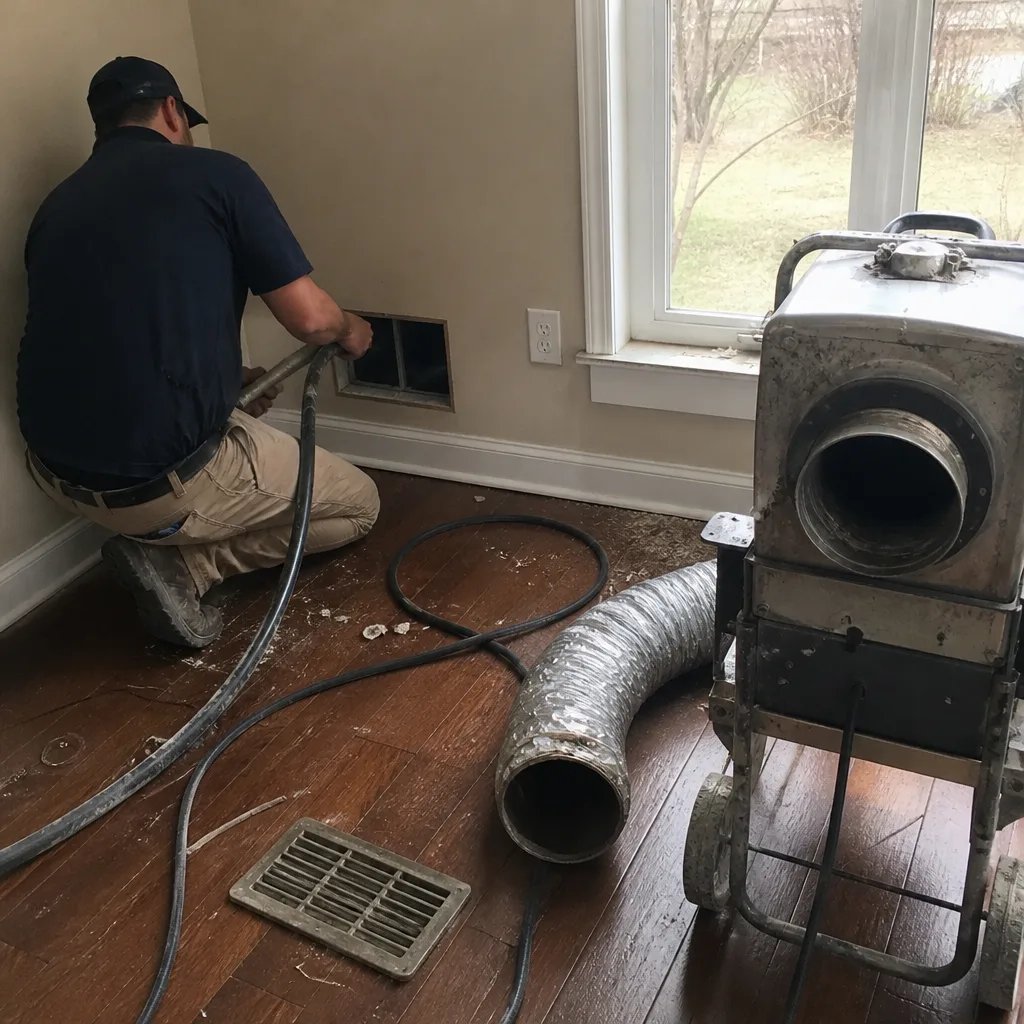 Before
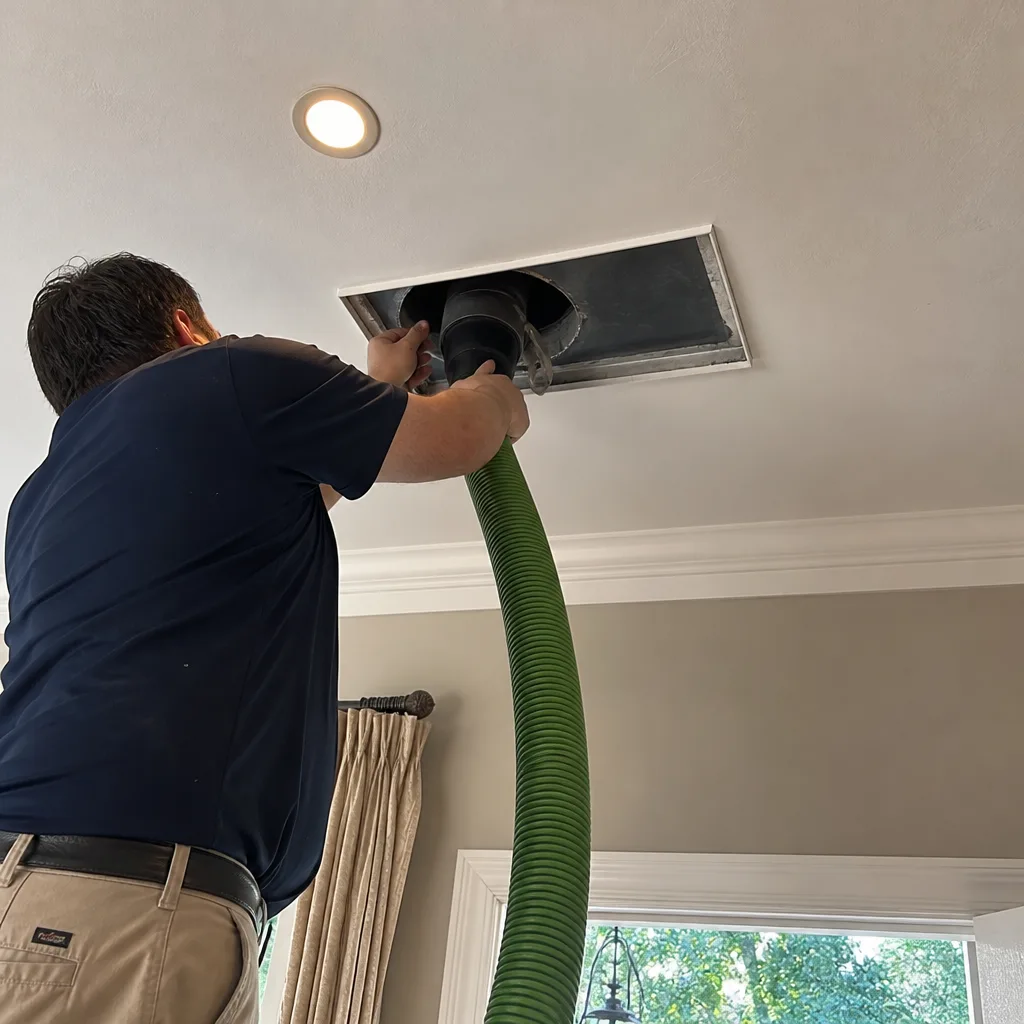 After
After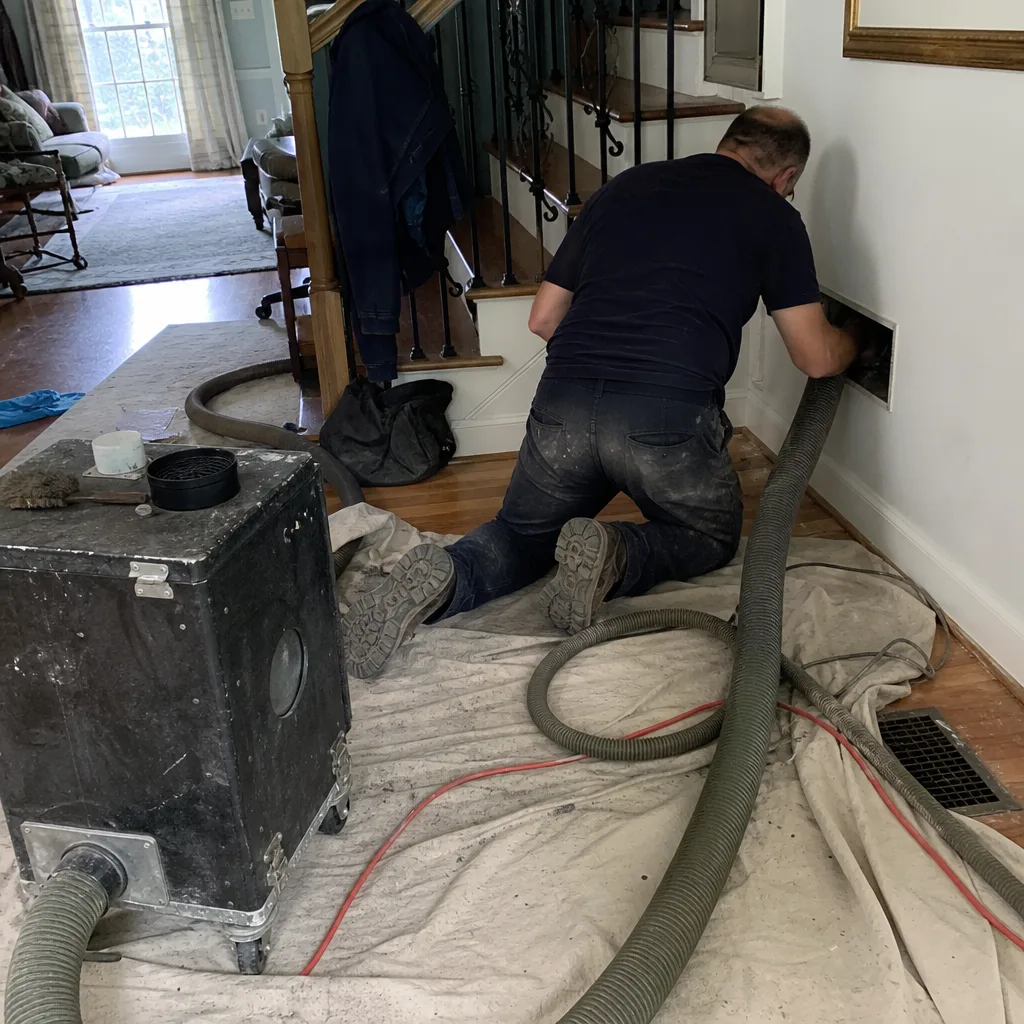 Before
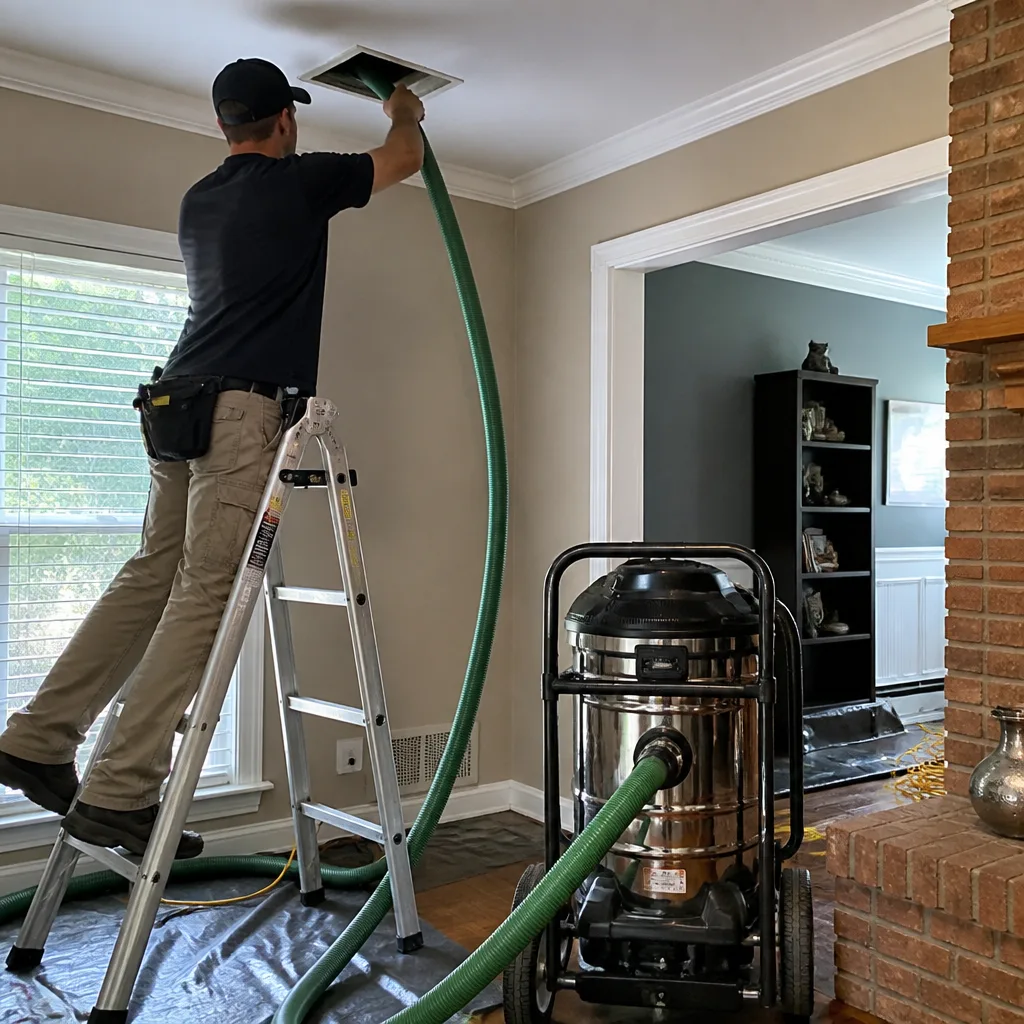 After
After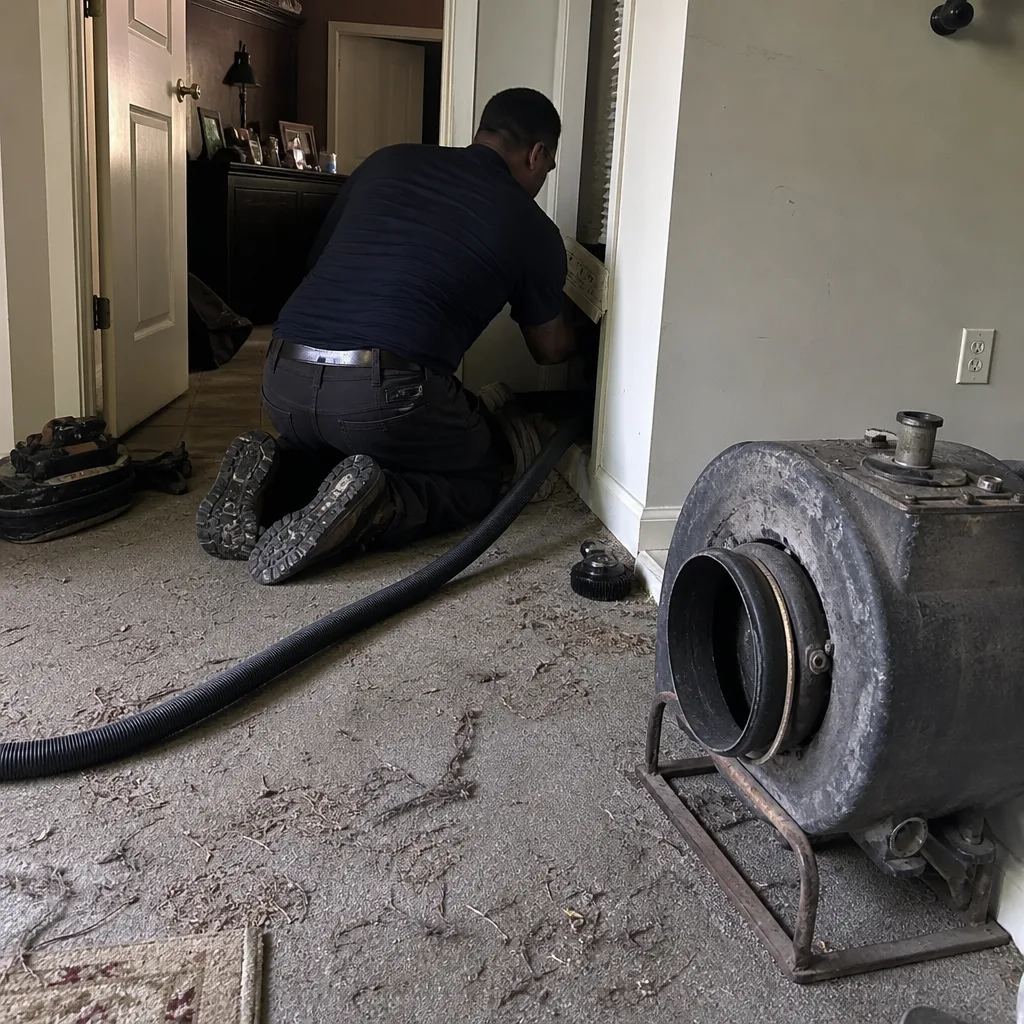 Before
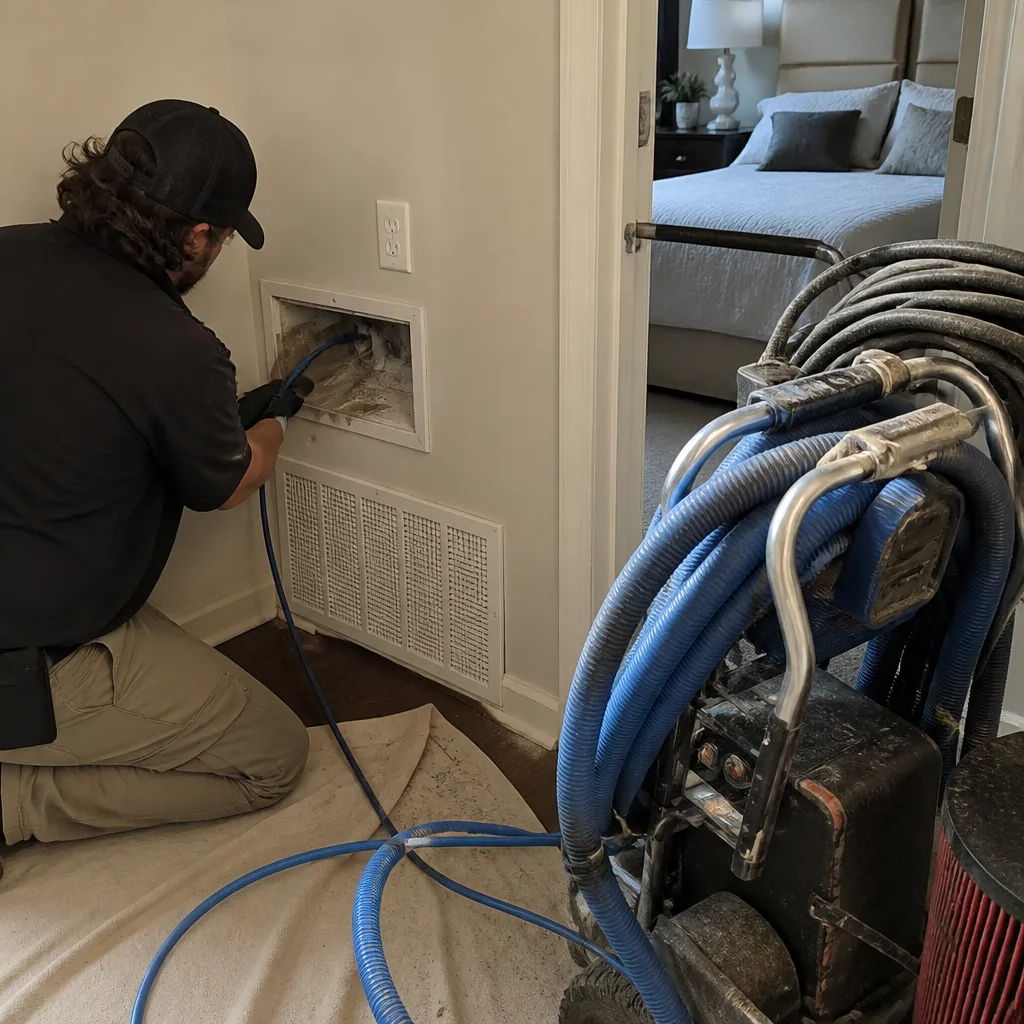 After
AfterWhen to Call a Professional
Call a professional when the observations in your seasonal log point to a system problem rather than a maintenance issue: persistent dust blowing from registers, a musty odor that won’t clear, evidence of pests in the ducts, post-renovation contamination, or a home you purchased with no service history. If the system has not been cleaned in five or more years and you’re seeing any of these signals, a professional assessment is warranted. Kestrel Air Duct Marietta offers free estimates in Marietta, and you’ll get a written price before any work begins. Call (762) 533-6494 to schedule yours.
Frequently Asked Questions
Every three to five years for a well-sealed system with consistent filter changes is the standard recommendation. Homes with pets, recent renovation, or smokers may need more frequent service. The determining factor is observable evidence like dust blowing from registers or persistent odor, not a calendar.
Fall, specifically September through November. Demand is lower so booking is faster, attic temperatures make thorough work more practical, and the system switchover provides a natural checkpoint to assess summer accumulation. Spring is generally a poor choice because pollen is still active in Marietta through early May.
The spread comes from equipment quality, thoroughness, and quoting method. A company using a portable vacuum is not doing the same work as one using Rotobrush rotary brush systems and Nikro negative-pressure extraction units. Some companies also quote a low per-vent price that increases on-site with added “treatments.” Always insist on one flat price for the entire system in writing before work begins. Call (762) 533-6494 and we’ll give you that number on the phone.
Before-and-after inspection is the only reliable check. Ask the technician to show you the inside of the ducts before the work starts and after it’s complete. We use camera inspection so you see the duct wall, not just a summary. You should also notice reduced dust around registers within the first month after a thorough cleaning. If it reappears quickly, the system may have a sealing or filter issue.
No. The tools that actually remove debris from the duct wall – rotary brush agitation and negative-pressure extraction – are professional-grade and cost thousands of dollars. A household vacuum with a hose attachment will dislodge surface dust but won’t clean the duct wall, and it may push debris deeper into the system. It’s not worth the time or the false sense of completion.
It can reduce the total particulate load in the home, especially if the ducts have accumulated years of pollen, dust, and pet dander. But it’s not a substitute for a good filter and regular filter changes. A cleaning removes what’s already in the ducts; a quality filter like those from Honeywell or Aprilaire prevents new accumulation between cleanings. Both together are the effective approach for Marietta allergy sufferers.
The Bottom Line
Marietta’s seasonal cycle puts real but uneven pressure on ductwork. Spring pollen loads the return side. Summer humidity stresses flex duct insulation. Fall is the practical window to schedule professional cleaning if the system shows signs of needing it. Winter’s dry heat reveals what accumulated in prior seasons. Track observations in a simple seasonal log, change filters consistently, and call in a professional when evidence says it’s time – not when the calendar does. For more guides & resources on keeping your system healthy, explore our blog. A thorough cleaning every three to five years, done by a company that gives you a written price and a written guarantee, is the sensible standard for Marietta homeowners.
Written by Dale Whitmore, Owner at Kestrel Air Duct Marietta, serving Marietta since 2004.